
The Semester Reset Checklist for Parents and Students
Starting a new semester with the right plan can make all the difference. This practical checklist helps parents and students reset routines, organize priorities, and build habits that lead to less stress and better academic results.
A new semester is one of the best opportunities for a fresh start.
Grades reset. Schedules change. Students get another chance to build better habits and stronger routines.
But good intentions alone rarely create real improvement. What makes the biggest difference is having a simple, practical plan to begin the semester the right way.
This checklist gives parents and students clear steps to reset, reorganize, and rebuild momentum.
Step One Clean Up the Past
Before moving forward, it helps to close out the previous semester properly.
Students should:
Organize old papers and notes
Review what worked last semester
Identify what caused the most stress
Reflect on which habits helped or hurt
Parents can support this process with calm conversations rather than lectures.
Understanding the past makes it easier to improve the future.
Step Two Set Up a Reliable System
Strong systems create strong semesters.
At the start of a term, make sure your student has:
A planner or digital calendar ready
All important dates written down
A dedicated study space
A clear daily routine
These basics prevent chaos later.
Many students struggle simply because they never built a structure to hold everything together.
Step Three Create Weekly Routines
Success in school is usually the result of small repeated actions.
Encourage your student to schedule:
Daily homework time
Short review sessions for each subject
Regular planning time once a week
Routines reduce stress by turning big responsibilities into manageable habits.
Step Four Separate Homework From Studying
One of the most important mindset shifts is understanding that homework and studying are not the same thing.
Homework finishes assignments.
Studying prepares for tests.
A strong semester requires both.
Parents can help by asking not only whether homework is done, but also when real studying will happen.
Step Five Prepare for Tests Early
Last minute cramming creates anxiety and poor results.
A better plan includes:
Light review during the week material is taught
Focused studying several days before tests
Extra practice without notes
Early preparation protects confidence and performance.
Step Six Build Healthy Boundaries With Technology
Distractions destroy even the best intentions.
At the beginning of the semester, decide on simple rules such as:
Phones away during study time
Short focused work blocks
Planned breaks on purpose
These boundaries make concentration possible.
Step Seven Identify Support Before It Is Needed
Every student needs help at some point.
At the start of the semester, know in advance where support will come from.
Teachers
Office hours
Study groups
Tutoring
Asking for help early is a strategy, not a weakness.
Step Eight Keep Communication Positive
Parents play a powerful role in shaping attitudes toward school.
Replace pressure filled questions with supportive ones:
What is your plan for this week
What feels hardest right now
How can I help you stay organized
Positive communication builds trust and motivation.
The Bottom Line
A successful semester rarely happens by accident.
It happens through preparation, routines, and steady support from both students and parents.
Use this checklist as a simple guide to start strong, stay organized, and reduce stress from the very beginning.
Small actions taken early create big results later.

How Parents Accidentally Increase Academic Stress
Many parents increase academic stress without realizing it. This article explains common mistakes made with good intentions and shows how small changes in approach can help students feel more confident and supported.
Parents want the best for their children. They want strong grades, good opportunities, and bright futures.
Because of this, many well meaning parents become deeply involved in their student’s academic life. They check grades, ask questions, remind about assignments, and push for success.
Unfortunately, some of these helpful actions can unintentionally increase pressure instead of reducing it.
Understanding these common mistakes can help parents support their student in healthier and more effective ways.
Mistake One Focusing Too Much on Grades
Grades matter, but they are not the whole picture.
When parents talk constantly about numbers and report cards, students begin to feel that love and approval are tied to performance.
Questions like:
What did you get on the test
Why is this grade lower
How did everyone else do
can quickly turn school into a source of fear instead of growth.
A better approach is to focus on learning, effort, and habits rather than only results.
Mistake Two Checking Grades Every Day
Many parents believe that constant monitoring keeps students accountable.
In reality, daily grade checking often creates anxiety and secrecy.
Students start to feel watched instead of supported. They may hide struggles or become defensive when small mistakes appear.
Weekly check ins and calm conversations usually work far better than constant surveillance.
Mistake Three Jumping in Too Quickly
When a student struggles with homework, the natural instinct is to help immediately.
But solving problems for a child prevents them from developing independence.
If parents explain every step, fix every error, and sit beside the student through every assignment, the message becomes clear.
You cannot do this without me.
Allowing productive struggle builds resilience and confidence.
Mistake Four Comparing Students to Others
Saying things like:
Your sister never had this problem
Other kids finish faster
Why can your friend handle this
may seem motivating, but it often has the opposite effect.
Comparisons create shame and frustration instead of inspiration.
Every student learns at a different pace and in a different way.
Mistake Five Overloading Schedules
Parents often want their children to have every advantage.
Extra classes
Sports
Clubs
Test preparation
These activities are valuable, but too many at once can overwhelm even the most organized student.
Exhaustion leads to burnout, not success.
Balance is just as important as ambition.
Mistake Six Treating Struggle as Failure
Struggling is a normal part of learning.
When parents react to difficulty with panic or disappointment, students learn to fear mistakes.
If instead parents treat challenges as opportunities to grow, students develop healthier attitudes toward school.
What Support Should Look Like
Healthy academic support focuses on:
Encouragement instead of pressure
Structure instead of control
Questions instead of criticism
Consistency instead of intensity
Parents do not need to be homework managers. They need to be steady coaches.
The Role of Outside Support
Sometimes the best way to reduce stress at home is to bring in outside help.
Teachers, counselors, and tutors can provide academic guidance while parents focus on emotional support.
This balance protects both learning and family relationships.
The Bottom Line
Most parents increase academic stress by accident, not intention.
Small changes in language, expectations, and involvement can make a huge difference.
When parents shift from pressure to partnership, students feel safer, calmer, and more capable.

Why Math Builds on Itself and What Happens When Gaps Form
Math is a cumulative subject, and small misunderstandings can grow into major struggles over time. This article explains why math builds on itself, how gaps form, and what parents can do to help their student rebuild a strong foundation.
Many parents notice a confusing pattern with math.
Their student does fine for years, then suddenly struggles in a new class. Homework becomes harder. Test scores drop. Confidence fades.
The student insists they are trying just as hard as before.
What changed
The answer lies in a simple truth about mathematics. Math is not a collection of separate topics. It is a ladder. Each new skill depends on the ones below it.
When a step is missing, the climb becomes difficult.
Math Is Cumulative by Design
Unlike many other subjects, math never truly resets.
Reading a new book in English does not require mastery of the last one. Learning a new chapter in history does not depend on perfect memory of the previous unit.
Math works differently.
Fractions support algebra
Algebra supports geometry
Geometry supports trigonometry
Algebra and functions support calculus
Every year builds directly on what came before.
Small Gaps Create Big Problems
Students rarely fail math because of one large issue. Most struggles begin with small misunderstandings that quietly accumulate.
A student might:
Never fully grasp fractions
Struggle with negative numbers
Misunderstand basic algebra rules
At first, these gaps seem minor. Over time, they grow into major obstacles.
By the time a student reaches advanced math, those early weaknesses make new material feel impossible.
Why Hard Work Is Not Always Enough
Parents often feel frustrated when a hardworking student still struggles.
The problem is not effort. It is foundation.
A student can study for hours and still feel lost if they are missing essential background skills.
No amount of new practice can replace understanding that should have been built years earlier.
Warning Signs That Gaps Exist
There are common clues that a math foundation is shaky.
Your student may:
Need to see examples for every problem
Forget steps quickly
Struggle to explain their thinking
Rely heavily on calculators
Feel anxious about new topics
These signs suggest the issue is deeper than the current chapter.
How Gaps Affect Confidence
Math gaps do not only affect grades. They affect emotions.
Students begin to think:
I am just not a math person
Math will never make sense
Everyone else understands except me
Once confidence drops, motivation often follows.
Repairing the foundation restores both skills and self belief.
How to Fix Math Gaps the Right Way
Repairing a math foundation requires a careful approach.
First identify exactly where confusion begins
Then rebuild skills in the correct order
Practice until understanding is solid
Only then move forward to new material
Jumping ahead without repairing earlier weaknesses only continues the cycle.
The Role of Consistent Support
Many students need structured guidance to rebuild their foundation.
Effective support focuses on:
Understanding concepts, not memorizing steps
Reviewing earlier skills
Practicing without notes
Developing strong problem solving habits
With the right help, students who felt hopeless often make rapid progress.
The Bottom Line
Math builds on itself. When one piece is missing, everything above it becomes harder.
Falling behind once can create long term issues, but those issues are not permanent.
With proper diagnosis, patience, and structured rebuilding, any student can regain confidence and move forward successfully.

How AI Will Change High School Classes
Artificial intelligence is beginning to transform high school education. This article explores how AI will change classrooms, what new opportunities it creates for students, and how parents can help students use technology responsibly and effectively.
Artificial intelligence is already reshaping the way students learn, study, and complete assignments. What once felt like distant technology is now part of everyday school life.
Parents often wonder what this means for their children.
Will AI make learning easier
Will it replace teachers
Will it help students or hurt them
The reality is more balanced and more interesting than most headlines suggest. AI will not replace education, but it will transform how education works.
AI Is Changing How Students Get Help
In the past, students had limited options when they were confused.
They could ask a teacher
Work with a tutor
Search online
Study with friends
Now students can also ask AI tools for explanations, examples, and practice problems at any time of day.
This instant access can be powerful when used correctly. Students no longer need to wait for office hours to get clarification.
At the same time, easy answers can create new challenges.
The Risk of Shortcuts
One major concern is that students may rely on AI to complete work for them instead of learning the material.
If a student uses AI to write essays, solve math problems, or summarize readings without thinking, learning stops.
Assignments get finished, but understanding does not grow.
The same technology that can support learning can also undermine it if used as a replacement for effort.
Classrooms Will Focus More on Thinking
As AI becomes more common, high school classes are likely to change in response.
Teachers will place greater emphasis on:
Critical thinking
Discussion
Projects
Presentations
Real world problem solving
These activities require original thought and personal engagement, areas where AI cannot replace human learning.
Memorization and routine assignments will matter less than creativity and reasoning.
Personalized Learning Will Improve
One of the most exciting possibilities of AI is personalization.
Students learn in different ways and at different speeds. AI tools can help by offering:
Custom practice problems
Immediate feedback
Explanations tailored to individual needs
Extra support outside of class
This means students who feel lost can get help faster, and advanced students can move ahead more easily.
Teachers Will Remain Essential
Some worry that AI will replace teachers. In reality, the opposite is likely to happen.
Teachers will become even more important as guides, mentors, and coaches.
While AI can provide information, it cannot:
Build relationships
Understand emotions
Encourage struggling students
Create meaningful classroom communities
Human connection will remain at the heart of education.
New Skills Will Matter More Than Ever
As AI handles routine tasks, schools will focus on skills that technology cannot easily copy.
Communication
Collaboration
Creativity
Ethical decision making
Complex problem solving
Students who develop these abilities will be best prepared for college and future careers.
What Parents Can Do
Parents play an important role in helping students use AI responsibly.
Encourage your student to:
Use AI as a learning tool, not a shortcut
Check answers instead of copying them
Ask questions and think critically
Balance technology with independent effort
Conversations about honest and thoughtful use of AI are becoming just as important as conversations about grades.
The Bottom Line
AI will change high school classes in powerful ways.
It will make help more accessible, learning more personalized, and classrooms more focused on higher level thinking.
But technology will never replace curiosity, effort, or human guidance.
Students who learn to use AI wisely will gain an advantage. Those who rely on it to avoid learning will fall behind.
Education is evolving, and with the right approach, that evolution can benefit every student.

Why AP Classes Require a Completely Different Study Strategy
Many students discover that the study habits that worked before no longer work in AP classes. This article explains why Advanced Placement courses require a different approach and how parents can help students shift from simple homework completion to true mastery.
Many students enter Advanced Placement classes expecting the same approach that worked in earlier courses to work again.
They complete homework. They pay attention in class. They study the night before tests.
Then grades come back lower than expected, and confusion sets in.
Parents and students often ask the same question.
If my student is doing all the work, why are AP classes still so hard
The answer is simple. AP courses demand a different way of learning.
Doing the Work Is No Longer Enough
In earlier grades, success often comes from effort alone.
Turn in assignments
Follow directions
Study before tests
Get decent results
AP classes change the rules.
These courses are designed to prepare students for college level expectations. That means the focus shifts from completing tasks to demonstrating deep understanding.
Students who rely only on homework completion quickly discover that effort without strategy no longer guarantees success.
AP Classes Test Understanding, Not Compliance
Regular classes often reward organization and consistency.
AP classes reward mastery.
Exams ask students to:
Apply ideas in unfamiliar situations
Connect multiple concepts at once
Explain reasoning in detail
Analyze rather than repeat information
Simply finishing assignments does not prepare students for this level of thinking.
The Pace Is Faster and the Material Is Deeper
AP courses move quickly. Teachers must cover large amounts of content before national exams.
This means:
Less time for review
More independent responsibility
Greater need for outside practice
Students cannot wait for teachers to slow down or repeat lessons. They must build strong study systems on their own.
Memorization Stops Working
Many students survive earlier classes by memorizing steps and facts.
AP courses require more.
They demand:
Conceptual understanding
Critical thinking
Application of knowledge
Long term retention
A student who only memorizes will struggle when questions look different from homework.
What Successful AP Students Do Differently
Students who thrive in AP classes approach learning in new ways.
They review material the same week it is taught
They practice without notes
They explain ideas out loud
They begin preparing for tests days in advance
They seek help early instead of late
Their focus is not on finishing work but on mastering material.
How Parents Can Support AP Success
Parents play an important role in helping students adjust.
Encourage structured weekly study routines
Ask about understanding instead of grades
Support early preparation for exams
Promote balanced schedules and healthy sleep
The goal is to help students develop college level habits before college arrives.
The Role of Academic Support
Many students benefit from guided support as they adapt to AP expectations.
Effective tutoring in AP classes focuses on:
Deep understanding
Application practice
Test strategy
Time management
Confidence building
With the right approach, AP courses become challenging but manageable.
The Bottom Line
AP classes are not just harder versions of regular classes. They are different kinds of classes.
Success requires new strategies, stronger habits, and more independent learning.
When students change the way they study, their results change as well.

Is My Student Falling Behind Early Warning Signs Parents Miss
Academic struggles usually appear through small signals long before grades drop. This article explains the early warning signs parents often miss and how to recognize when a student may be falling behind before problems become serious.
Many parents worry about whether their student is keeping up in school. Often the concern only becomes serious after a bad report card or a difficult parent teacher conference.
But academic struggles rarely appear overnight. They develop slowly through small signals that are easy to overlook.
By recognizing these early warning signs, parents can step in before frustration turns into failure.
Grades Are a Late Indicator
Most parents rely on grades as the main measure of progress. The problem is that grades change last.
Long before scores drop, students show other signs that something is wrong. If parents wait for report cards, they are often responding to a problem that has been growing for months.
Early awareness makes early intervention possible.
Warning Sign One Increasing Frustration With Homework
If your student suddenly seems angry, emotional, or overwhelmed during homework time, pay attention.
Comments like:
This is too hard
I do not get any of this
School is pointless
often mean the material no longer makes sense. Frustration usually appears before poor grades.
Warning SignTwo: Taking Much Longer Than Usual
When assignments that used to take thirty minutes begin taking two hours, something has changed.
Extra time spent on homework can signal:
Gaps in understanding
Difficulty focusing
Lack of effective study strategies
Slow progress is often an early cry for help.
Warning Sign Three: Avoidance and Procrastination
Students rarely avoid subjects they feel confident in.
If your student suddenly:
Puts off starting assignments
Claims they have no homework
Forgets to turn things in
these behaviors may be hiding academic stress.
Avoidance is usually a response to confusion, not laziness.
Warning Sign Four: Declining Confidence
Listen to how your student talks about themselves.
Statements such as:
I am just bad at math
I will never understand this
Everyone else gets it except me
show that confidence is slipping. When self belief drops, performance usually follows.
Warning Sign Five: Trouble Explaining What They Learned
Ask a simple question.
What did you learn in class today
If your student struggles to explain even basic ideas, they may not truly understand the material.
The ability to explain concepts in their own words is one of the clearest signs of real learning.
Warning Sign Six: Increased Test Anxiety
Nervousness before tests is normal. Extreme anxiety is not.
When students begin panicking before every quiz or exam, it often means they feel unprepared and unsure of their foundation.
Anxiety is frequently a symptom of academic gaps.
What Parents Can Do Right Away
If you notice several of these signs, small steps can make a big difference.
Have calm conversations about what feels hard
Check in on study habits and routines
Encourage questions and early help
Communicate with teachers
Consider structured academic support
The goal is not to criticize but to understand.
Early Action Prevents Bigger Problems
Falling behind rarely happens suddenly. It happens quietly.
Parents who notice early signals can step in before stress and confusion grow too large.
With the right support and structure, most students can get back on track quickly.
The Bottom Line
Grades tell part of the story, but behavior and confidence tell the rest.
When parents learn to spot the subtle signs of struggle, they can protect their student from unnecessary frustration and help them succeed long before report cards raise alarms.
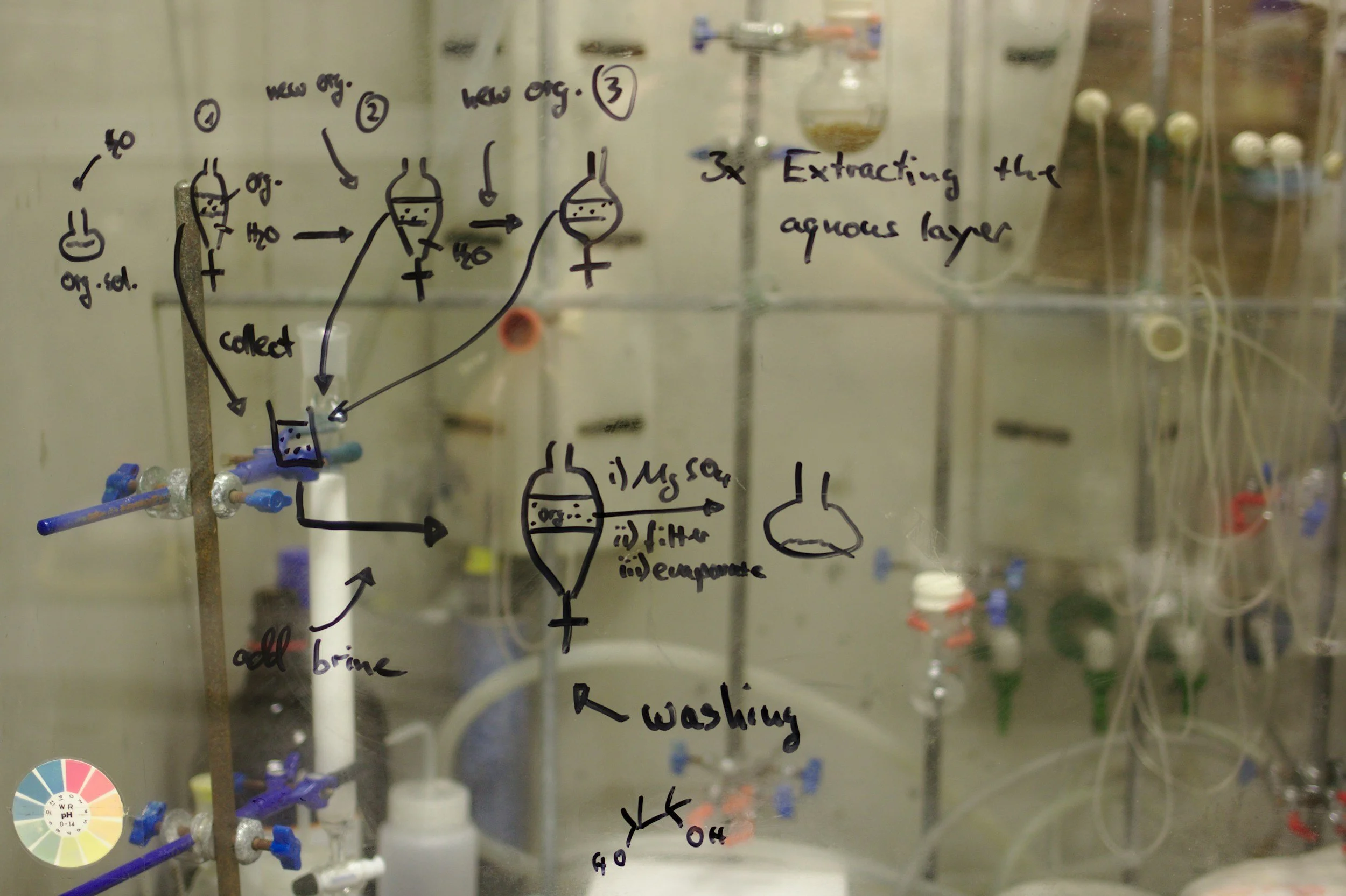
Helping Your Student Succeed in Chemistry When They Feel Lost
Many students struggle in chemistry because they rely on memorization, passive studying, and last minute preparation. This article explains the most common pitfalls in chemistry and how parents can support real understanding and long term success.
Chemistry is one of the most common classes where strong students suddenly begin to struggle.
Parents often hear things like:
“I study but nothing sticks.”
“I understand in class but fail on tests.”
“I just do not get chemistry.”
This can feel confusing and discouraging, especially when the student is trying. The reality is that chemistry is different from many other subjects. It requires a mix of math skills, conceptual understanding, and abstract thinking that many students have never had to combine before.
The good news is this. Most chemistry struggles are predictable and fixable.
Why Chemistry Feels So Hard for So Many Students
Chemistry is not just memorization. It is not just math. And it is not just reading.
It requires students to:
Understand invisible processes
Translate words into equations
Apply formulas in new situations
Think in systems rather than steps
Students who did well in earlier science classes often struggle because chemistry demands a new way of thinking.
Common Pitfalls That Hold Students Back
Relying on Memorization
Many students try to memorize formulas, steps, and reactions without understanding what they mean. This works briefly but fails on tests that require application.
Weak Math Foundations
Algebra gaps, fraction mistakes, and unit confusion quietly sabotage chemistry performance.
Passive Studying
Rereading notes and watching solution videos creates familiarity, not mastery.
Homework Dependence
Students rely on notes, friends, or examples to complete homework, which hides confusion.
Last Minute Studying
Chemistry concepts build over time. Cramming creates stress, not understanding.
How Parents Can Support Real Improvement
Support starts with structure, not pressure.
Parents can help by encouraging:
Early review of material after class
Practice without notes
Explaining concepts out loud
Studying in short consistent sessions
Asking questions before confusion builds
These habits build understanding instead of panic.
How to Diagnose the Real Problem
Instead of asking, “Why are you bad at chemistry,” ask better questions:
Do you understand the concepts or just the steps
Can you solve problems without looking at examples
Which part feels confusing first
Is the math part or the concept part harder
These questions help locate the true issue.
What Effective Chemistry Support Looks Like
Strong support focuses on:
Conceptual understanding
Math skill reinforcement
Application practice
Error analysis
Structured review routines
The goal is not just to pass tests but to build lasting understanding.
The Role of Guided Support
Many students benefit from structured academic support in chemistry.
This is not about doing more work. It is about learning in the right order with the right structure.
With proper guidance, students who feel lost often regain confidence quickly.
The Bottom Line
Chemistry struggles are not a sign that a student is incapable.
They are a sign that the learning approach needs adjustment.
When students build understanding instead of memorization, structure instead of panic, and confidence instead of fear, chemistry becomes manageable and even rewarding.

Monitoring Grades Without Damaging Motivation
Many parents struggle to find the right balance between staying informed and creating pressure. This article explains how constant grade checking can hurt motivation, how ignoring grades can cause problems, and what healthy accountability actually looks like.
Many parents feel torn between two fears.
If I check grades every day, am I creating pressure and anxiety
If I do not check at all, am I being irresponsible
This tension is real. Parents want to stay involved, but they also want their student to become independent and responsible.
The truth is that constant grade monitoring often creates stress without improving outcomes. But complete disengagement can also leave students without structure.
The goal is not constant surveillance or total hands off parenting. The goal is healthy accountability.
Why Daily Grade Checking Often Backfires
Checking grades every day may feel proactive, but it often produces unintended consequences.
Students begin to feel:
Constantly evaluated
Pressured to perform
Afraid of making mistakes
Defined by numbers rather than effort
This can shift motivation from learning to avoidance. Students stop focusing on growth and start focusing on not getting in trouble.
Over time, this can damage confidence and trust.
Why No Monitoring Can Also Be a Problem
On the other extreme, no monitoring removes structure.
Some students thrive with independence. Many do not.
Without any accountability, students may:
Miss assignments
Fall behind quietly
Avoid difficult subjects
Hide struggles
By the time parents notice, the situation is often already serious.
The Healthy Middle Ground
The healthiest approach is intentional monitoring, not constant monitoring.
This means shifting from daily checking to structured check ins.
Instead of asking about numbers every day, focus on patterns and habits.
This builds responsibility without fear.
What Productive Monitoring Looks Like
Healthy involvement sounds like this:
What assignments are coming up this week
When is your next test
What is your plan for studying
What class feels hardest right now
These questions focus on planning and learning rather than punishment and pressure.
How Often Should Parents Check Grades
There is no perfect rule, but for most families:
Once a week grade checks are sufficient
More frequent checks may be needed during transitions or struggles
Less frequent checks may work for highly independent students
The frequency should match the student’s maturity and needs, not parental anxiety.
Signs Monitoring Is Helping
You may notice:
More honest conversations
Less defensive reactions
Better planning
Earlier communication about struggles
These are signs that accountability is building responsibility.
Signs Monitoring Is Hurting
Warning signs include:
Increased secrecy
Anxiety around school
Avoidance of conversations
Fear based motivation
These indicate the approach needs adjustment.
The Role of Support Systems
Healthy accountability is easier when students are supported.
Teachers, tutors, and structured routines create external systems that reduce the need for parental monitoring.
When students have structure, parents can step back without fear.
The Bottom Line
Checking grades is not the problem. How and why you check matters more than how often.
The goal is not control. The goal is growth.
When monitoring builds responsibility instead of fear, students develop confidence, independence, and long term success.

Rebuilding the Math Foundation Your Student Needs to Succeed
Many students struggle in math because of hidden gaps in their foundation. This article explains how to diagnose missing skills, repair them in the right order, and rebuild confidence through real understanding rather than memorization.
Many students struggle in math not because they are bad at it, but because they are standing on a weak foundation.
Math builds in layers. Each concept depends on the ones before it. When early gaps form, everything above becomes harder. Over time, students stop trusting themselves, lose confidence, and begin to feel like math just is not for them.
The good news is this. A broken foundation can be diagnosed and repaired. And when it is, students often improve faster than parents expect.
Why Math Gaps Are So Common
Math gaps do not happen all at once. They form quietly.
A student misses a few key concepts. They move on anyway. The class keeps going. Confusion compounds.
Sometimes this happens because of:
Fast paced classrooms
Learning disruptions
Curriculum changes
Missed school time
Teaching style mismatch
Students can keep passing classes while carrying hidden gaps for years.
Step One Diagnose the Foundation
Before fixing anything, you need clarity.
Parents often try to solve problems by adding more practice, more homework, or more tutoring time. But without diagnosis, this only creates frustration.
Start with simple questions:
Can your student do basic arithmetic without a calculator
Do they understand fractions and decimals
Can they manipulate variables confidently
Do they understand why formulas work or just how to use them
Weakness in early skills always shows up later in algebra, geometry, and higher math.
Diagnosis should focus on understanding, not speed.
Step Two Identify the True Gaps
Students often say they are bad at math when the issue is actually very specific.
For example:
Struggling in algebra may be a fraction problem
Struggling in geometry may be an algebra problem
Struggling in calculus may be an algebra and functions problem
Everything traces backward.
The goal is not to label the student. The goal is to locate the broken links in the chain.
Step Three Repair in the Right Order
Foundations must be rebuilt from the bottom up.
This means:
Fixing number sense before algebra
Fixing algebra before advanced problem solving
Fixing functions before calculus concepts
Trying to patch higher level skills without repairing earlier gaps leads to constant confusion.
True repair happens in sequence.
Step Four Build Confidence Through Mastery
As gaps close, confidence grows naturally.
Students begin to:
Understand problems faster
Make fewer careless mistakes
Feel calmer during tests
Participate more in class
Confidence is not created through praise alone. It is created through real understanding.
Step Five Create a System That Prevents New Gaps
Repairing the foundation is only part of the solution.
To prevent new gaps, students need:
Consistent review
Weekly practice
Early support when confusion appears
Structured learning habits
This keeps the foundation strong as new material builds on top of it.
The Role of Support in Rebuilding Math Skills
Rebuilding a math foundation often requires guided support.
This is not about doing more work. It is about doing the right work in the right order.
With proper diagnosis and structure, students who once felt lost often experience rapid improvement.
The Bottom Line
Math struggles are rarely about ability.
They are about missing pieces.
When you diagnose the gaps, repair the foundation, and rebuild in the correct sequence, math becomes understandable again.
And when understanding returns, confidence follows.

How Much Should Parents Be Involved in Homework
Parents often wonder how much they should help with homework. Too much involvement can create dependence, while too little can leave students overwhelmed. This article explains how to find the right balance so students build independence while still receiving the support they need.
One of the most common questions parents ask is simple but emotionally loaded.
How much should I be helping with homework?
Some parents worry they are doing too much and creating dependence. Others worry they are not doing enough and letting their student fall behind.
The truth is that both extremes can hurt learning. The goal is not to remove struggle or to disappear entirely. The goal is to support growth while building independence.
Why Too Much Help Can Backfire
When parents take over homework, even with good intentions, students miss critical learning opportunities.
If a parent:
Explains every step
Fixes mistakes immediately
Sits next to the student the entire time
The student may finish assignments successfully but fail to build problem solving skills.
Over time, this creates hidden dependence. The student learns that someone else will rescue them when work becomes difficult.
This often leads to poor test performance because the support system disappears during exams.
Why Too Little Help Can Also Be Harmful
On the other hand, complete hands off parenting can leave students stuck.
When students feel lost and unsupported, they may:
Procrastinate
Avoid difficult subjects
Develop anxiety about school
Without guidance, small gaps grow into major obstacles.
Students need structure and encouragement even as they develop independence.
The Ideal Role for Parents
The healthiest role for parents is not homework manager or homework bystander.
It is learning coach.
A learning coach focuses on the process, not the answers.
This means helping students:
Organize their time
Break large assignments into steps
Reflect on mistakes
Build consistent routines
Parents should guide thinking, not replace it.
What Productive Homework Support Looks Like
Effective involvement sounds like this:
What is your plan for starting this assignment
Which part feels most confusing right now
Where could you look for help before I step in
How did your teacher explain this in class
These questions develop problem solving skills while still offering support.
When Parents Should Step In More
There are moments when extra involvement is appropriate.
Parents should increase support when a student:
Is overwhelmed and shut down
Does not understand foundational material
Is missing assignments consistently
Shows rising anxiety about school
Temporary structure helps students regain control and confidence.
When Parents Should Step Back
Parents should gradually reduce involvement when a student:
Begins starting homework independently
Attempts problems before asking for help
Uses strategies learned previously
Manages time more effectively
This signals that the student is developing academic maturity.
How Tutoring Fits Into the Balance
Tutoring can play an important role in maintaining healthy boundaries at home.
A tutor can handle academic instruction so parents can focus on encouragement and structure rather than daily explanations.
This often improves both learning and family relationships.
The Bottom Line
Parents should not remove all struggle, but they should not leave students to struggle alone.
The right level of involvement builds confidence, responsibility, and long term success.
When parents act as learning coaches rather than homework fixers, students develop the skills they need to thrive independently.

The Homework Studying Gap That Trips Up Most Students
Many students earn strong homework grades but still struggle on tests. This happens when homework replaces real studying. This article explains the homework studying gap and how parents can help their student close it for better long term results.
Many parents are confused when they see this pattern.
Their student completes homework every night, turns in assignments on time, and still performs poorly on tests.
It feels contradictory. If the work is getting done, why are the grades not improving?
The answer lies in a gap most families never realize exists. Homework and studying are not the same thing, and confusing them is one of the biggest reasons capable students underperform.
Homework Success Can Create False Confidence
Homework is designed to reinforce material, not to master it.
Most homework allows students to:
Use notes
Follow examples
Ask friends or teachers
Look at prior problems
This makes homework feel manageable even when understanding is shaky.
Students can earn strong homework grades while still lacking deep comprehension.
Then test day arrives, and everything changes.
Tests Measure Independent Understanding
Tests remove the support system.
No notes
No examples
No hints
Suddenly students must retrieve information and solve problems on their own.
If their learning never moved beyond guided practice, performance drops even though homework looked strong.
Parents often think the test was unfair. In reality, the test is exposing the gap between assisted work and independent mastery.
Why Students Rely Too Heavily on Homework
Most students believe that completing assignments equals studying.
They think:
If I did the homework, I studied
But homework is only one small part of learning. It checks completion, not long term retention.
Without additional review and practice, information fades quickly.
What Real Studying Actually Looks Like
Studying is about preparing for future performance, not finishing past tasks.
Effective studying includes:
Reviewing notes without looking at solutions
Explaining concepts out loud
Practicing problems from scratch
Quizzing yourself before checking answers
This feels harder than homework, which is why many students avoid it.
But this type of effort is what builds test ready understanding.
How the Gap Develops Over Time
Early in school, homework and tests are similar.
As students move into higher level classes, especially math and science, expectations change.
Tests become cumulative and conceptual. Homework becomes guided practice.
Students who never adjust their habits fall into the homework studying gap.
They are working hard but not in the right way.
Signs Your Student Is Stuck in This Gap
Parents often notice:
Strong homework grades but weak test scores
Last minute cramming before exams
High stress despite consistent effort
Confusion about why results do not match work ethic
These are classic signs that homework has replaced real studying.
How Parents Can Help Close the Gap
Parents can support better habits by shifting the conversation.
Instead of asking:
Did you finish your homework
Try asking:
When are you reviewing this for the test
Encourage a weekly routine that includes:
Short review sessions during the week
Practice without notes
Test preparation starting days before the exam
This turns learning into a process, not a crisis.
How Tutoring Should Address the Homework Studying Gap
Effective tutoring should not become extended homework time.
Strong tutoring teaches students:
How to review material after class
How to practice independently
How to plan for tests early
How to recognize gaps before grades drop
The goal is not just to complete assignments but to build mastery.
The Bottom Line
Homework completion feels productive, but it does not guarantee understanding.
When students learn the difference between doing work and preparing for performance, grades finally begin to reflect their effort.
Closing the homework studying gap is one of the fastest ways to unlock academic improvement.

How to Tell If Tutoring Is Actually Working for Your Student
Many parents wonder how to tell if tutoring is truly helping their student. Grades do not always change right away, but real progress appears first in confidence, understanding, and independence. This article explains the key signs that tutoring is working and what parents should look for beyond report cards.
Many parents invest in tutoring hoping to see better grades, less stress, and more confidence. But after a few months, a common question arises.
Is this actually working?
Grades alone do not always tell the full story. Real academic progress often appears in quieter but more important ways long before report cards change. Here is how parents can tell whether tutoring is truly helping their student and what to look for beyond letter grades.
Grades Improve Last, Not First
One of the biggest misconceptions is that tutoring should immediately raise grades. In reality, academic growth usually follows this order:
Understanding improves first
Confidence builds second
Performance improves third
If a student has been confused for months or years, it takes time to rebuild their foundation. Early progress often looks like clearer thinking and better habits before it shows up on tests.
Sign 1 Your Student Is Less Anxious About School
A major early indicator of effective tutoring is emotional.
Is your student:
Asking fewer panic questions before tests
Feeling calmer when homework gets difficult
More willing to participate in class
Reduced stress means they finally understand what is happening in class. This is one of the strongest signs that learning is sticking.
Sign 2 They Can Explain Concepts in Their Own Words
A student who is truly learning can explain material without reading from notes.
Ask simple questions like:
Can you explain what you learned today
How would you teach this to someone else
If your student can explain ideas clearly, tutoring is building real understanding, not just short term answers.
Sign 3 Homework Takes Less Time and Frustration
When tutoring is effective, homework becomes more efficient.
Instead of:
Staring at problems for hours
Getting stuck on every step
Becoming emotional over assignments
Students begin working more smoothly because the material finally makes sense.
Faster and calmer homework is a major sign that tutoring is working even before grades change.
Sign 4 Your Student Is Becoming More Independent
Good tutoring should not create dependence.
Over time, students should begin to:
Attempt problems before asking for help
Catch their own mistakes
Use strategies learned in tutoring on their own
The goal is not to need a tutor forever. The goal is to build skills that carry into every class.
Sign 5 Study Habits Are Improving
Effective tutoring teaches systems, not just content.
You may notice your student:
Planning ahead for tests
Reviewing material earlier
Organizing their work more consistently
These habits are what produce long term academic success.
When Tutoring Is Not Working
Tutoring may need adjustment if:
Sessions are only used to finish homework
Your student never practices between sessions
They still feel lost week after week
There is no plan beyond the next assignment
In these cases, the issue is usually structure, not effort or ability.
What Effective Tutoring Should Include
Strong tutoring focuses on:
Understanding, not memorization
Reviewing and previewing material
Practicing independently
Building weekly study routines
When tutoring acts like academic coaching, results become lasting.
The Bottom Line
Tutoring is working when your student is calmer, clearer, and more confident, even before grades fully improve.
Academic change happens quietly first and visibly later.
When you know what to look for, you can feel confident that your investment is paying off.

Weekly Tutoring vs Test Prep Bursts: What Actually Works Better?
Many families wonder whether weekly tutoring is necessary or if short test prep sessions are enough. While last-minute review can help in certain situations, it often leaves students stressed and unprepared long term. This article breaks down the difference between weekly tutoring and test prep bursts, explains which students benefit most from each approach, and helps parents choose the support model that actually works.
Many families face the same question every semester:
Should we schedule weekly tutoring, or just get help right before tests?
On the surface, test prep bursts seem efficient. Why commit time and money every week if your student only struggles around exams? But in practice, this approach is one of the most common reasons students feel stressed, overwhelmed, and disappointed with their results.
Let’s break down what each model actually does and which one truly supports long-term academic success.
What Test Prep Bursts Are Good For
Test prep bursts typically involve short-term tutoring right before a quiz, test, or exam. They can be helpful for:
Reviewing content the student already mostly understands
Refreshing forgotten material
Learning test format or pacing strategies
When a student has a strong foundation and solid study habits, short-term review can be effective.
But this approach assumes something important: that the foundation is already there.
Why Test Prep Bursts Often Fall Short
In reality, many students don’t struggle because they forgot everything the week before the test. They struggle because confusion built up slowly over time.
When tutoring starts right before an exam:
There’s no time to fill foundational gaps
Sessions become rushed and stressful
The focus shifts to “what will be on the test” instead of understanding
Tutors are forced into emergency mode
Students may temporarily improve, but the same stress cycle repeats for the next test.
What Weekly Tutoring Does Differently
Weekly tutoring works upstream. Instead of reacting to problems, it prevents them.
With consistent support, tutoring can:
Reinforce concepts the same week they are taught
Catch misunderstandings early, before they snowball
Build strong study routines and accountability
Reduce anxiety by making tests predictable
Weekly sessions turn tutoring into a system, not a rescue mission.
The Real Difference Is Not Frequency—it’s Structure
This is an important distinction. Weekly tutoring does not mean endless homework help.
Effective weekly tutoring focuses on:
Previewing upcoming material
Reviewing recent lessons
Practicing independently without notes
Reflecting on mistakes from quizzes and tests
The goal is not to make students dependent on a tutor. The goal is to help them become more independent and confident over time.
Which Students Benefit Most From Weekly Tutoring?
Weekly tutoring is especially effective for students who:
Feel “lost” in class but can’t pinpoint why
Do fine on homework but poorly on tests
Struggle with organization or time management
Experience test anxiety
Are in cumulative subjects like math, chemistry, or physics
For these students, waiting until test week often makes everything harder.
When Test Prep Bursts Can Make Sense
There are cases where short-term prep works well:
A student has strong grades and consistent habits
The subject is review-based, not cumulative
The student needs strategy help rather than content help
Even then, bursts work best when they are planned, not last-minute.
A Better Question for Parents to Ask
Instead of asking, “How often should my student be tutored?”
Try asking, “Are we preventing stress or reacting to it?”
If tutoring always starts when grades drop or panic sets in, it’s reactive. If tutoring helps your student stay organized, confident, and ahead, it’s proactive.
The Bottom Line
Test prep bursts can help polish understanding, but they rarely build it.
Weekly tutoring creates structure, confidence, and consistency (the things that actually lead to better grades and less stress over time).
For most students, especially in challenging or cumulative subjects, consistency beats intensity every time.

Why Your Student Had Tutoring All Semester but Still Didn’t Do Well (And How to Fix It)
Many families are surprised when a student receives tutoring all semester but still struggles in the class. This does not mean the student is incapable or that tutoring failed. In most cases, it means the approach was reactive instead of strategic. This article explains the most common reasons tutoring does not translate into better grades and what parents can do to fix it moving forward.
One of the most frustrating situations for parents is this:
Your student worked with a tutor all semester, put in time and effort, and still did not earn the grades you expected.
It can feel confusing and discouraging. You might wonder if tutoring was ineffective, if your student just is not trying hard enough, or if something else is going on entirely.
In reality, this situation is far more common than most families realize. And in most cases, it is fixable.
Tutoring Alone Does Not Guarantee Results
Tutoring is a powerful tool, but it is not magic. Academic improvement depends on how tutoring is used, not just the fact that it exists.
Students often struggle despite tutoring when sessions become:
Homework focused instead of learning focused
Reactive instead of proactive
Isolated from the student’s daily study habits
When tutoring turns into weekly damage control, students may feel supported in the moment but still fall behind long term.
The Most Common Reasons Tutoring Did Not Translate to Better Grades
1. Tutoring Was Used Only to Finish Homework
If tutoring sessions are spent completing assignments, students may get through their work but never build independent understanding.
Homework completion feels productive, but it does not always prepare students for quizzes, tests, or cumulative exams.
How to fix it:
Tutoring should include previewing upcoming material, practicing without notes, and reviewing mistakes after assessments, not just finishing assignments.
2. The Student Did Not Practice Between Sessions
One hour of tutoring per week cannot replace regular practice.
If students rely on their tutor to explain everything once a week, the learning does not stick. Understanding fades quickly without repetition.
How to fix it:
Tutoring should be paired with a clear weekly plan for independent practice, review, and follow up questions.
3. Studying Was Passive Instead of Active
Many students believe rereading notes or watching solutions means they understand the material. Unfortunately, this often leads to false confidence.
True understanding shows up when students can explain concepts out loud and solve problems without help.
How to fix it:
Tutoring should emphasize active learning such as explaining concepts, doing problems from scratch, and identifying gaps early.
4. Tutoring Started After the Student Was Already Behind
Once a student is confused and stressed, tutoring becomes harder.
At that point, sessions often focus on survival rather than mastery, which makes it difficult to fully catch up while new material continues.
How to fix it:
Tutoring works best when it is proactive. Starting early in the semester allows time to build confidence before problems snowball.
5. The Focus Was on Grades Instead of Systems
Grades are outcomes, not strategies.
When students focus only on grades, they often miss the habits that actually produce results, like consistent review, planning ahead, and effective study routines.
How to fix it:
Tutoring should help students build systems: weekly planning, study schedules, test preparation timelines, and accountability.
What Effective Tutoring Actually Looks Like
When tutoring leads to real improvement, it usually includes:
Clear goals beyond homework completion
Regular review and preview of material
Emphasis on understanding, not memorization
Practice that happens outside of sessions
Ongoing communication about what is working and what is not
The tutor becomes a coach, not just a problem solver.
What Parents Can Do Moving Forward
If your student struggled despite tutoring last semester, that does not mean tutoring failed. It means the approach needs adjustment.
As a parent, you can ask:
What is my student doing between tutoring sessions
Are sessions focused on learning or just finishing work
Does my student have a clear weekly study plan
Are we addressing problems early or reacting late
These questions often uncover exactly where the disconnect is.
The Bottom Line
Struggling despite tutoring does not mean your student is incapable. It usually means the support was not structured in a way that promotes long term understanding and independence.
When tutoring is paired with strong habits, proactive planning, and accountability, it becomes one of the most effective tools for academic success.
With the right adjustments, this semester can look very different.

How Parents Can Help Their Student Succeed This Semester
A new semester can bring excitement, stress, or both for families. While motivation helps, real academic success comes from strong systems, clear expectations, and consistent habits. In this guide, we break down how parents can support their student this semester in practical, realistic ways that reduce stress, build confidence, and help learning actually stick.
Practical, Research-Backed Support That Actually Works
A new semester often brings a mix of hope and anxiety for families. Parents want their student to feel confident, stay organized, and avoid the stress spirals that can come with falling behind. The good news is that academic success rarely requires a complete personality change. It comes from better systems, clearer expectations, and consistent habits built over time. Here’s how parents can meaningfully support their student this semester without micromanaging or adding pressure.
Start With a Reset, Not a Lecture
A new semester is a natural reset point, but it is not magic. Motivation alone does not create results. What matters is what students do consistently.
Instead of focusing on grades right away, have a calm conversation around three questions:
What worked last semester
What did not work
What caused the most stress
This frames the semester as a problem-solving exercise rather than a judgment. If last semester felt chaotic, it does not mean your student is lazy or incapable. It usually means their system needs improvement.
Your goal as a parent is not perfection. It is fewer emergencies.
Help Them Set Goals That Influence Daily Behavior
Many students set goals that sound impressive but do not change how they study week to week. A helpful distinction is between outcome goals and process goals.
Outcome goals focus on results, like earning an A.
Process goals focus on actions, like reviewing notes for fifteen minutes after class or doing extra practice problems weekly.
Parents can help by guiding students to:
Set one academic goal per class
Choose one habit goal for the semester
Identify one personal goal unrelated to grades
If a goal does not affect what your student does on a Tuesday afternoon, it likely will not move the needle.
Support a Weekly Routine, Not Just Homework Completion
Students who appear naturally good at school usually have stronger routines, not stronger motivation.
One of the most important distinctions parents can reinforce is that homework and studying are not the same thing.
Homework is completing assigned tasks
Studying is preparing for future quizzes and tests
Encourage a weekly structure that includes:
Daily homework time
Two to three short study blocks per subject
One weekly planning session
Short, consistent sessions are far more effective than long, emotional cram sessions.
Encourage Smarter Studying, Even When It Feels Harder
Rereading notes and highlighting feel productive, but they rarely lead to strong test performance.
Effective studying feels uncomfortable because it requires effort. Parents can help by normalizing strategies like:
Doing practice problems without notes
Explaining concepts out loud
Self-quizzing before checking answers
A helpful question to ask your student is not “Did you study?” but:
Can you explain this without help
Can you solve problems without looking
Could you teach this to someone else
Struggle here is not failure. It is useful feedback.
Reduce Test Stress by Making Preparation Predictable
Most test anxiety comes from unclear preparation, not from the test itself.
A simple structure parents can reinforce:
Light review during the week material is taught
Focused studying starting five to seven days before a test
Gradual increase in intensity
The night before a test should not be about learning new material. It should be about light review, organization, and sleep. Sleep matters more than one extra hour of studying.
Help Them Manage Distractions, Not Just Time
Most students are not bad at time management. They are distracted. Parents can support better focus by:
Encouraging twenty five minute study blocks
Creating phone-free study periods
Helping students plan the next day the night before
Reducing decision fatigue goes a long way in preventing procrastination.
Normalize Asking for Help Early
Strong students ask for help before grades drop. Waiting makes everything harder.
Remind your student that support options like:
Teacher conversations
Office hours
Tutoring
are strategies, not signs of weakness.
Early support builds confidence and prevents small gaps from turning into major stress.
Understand How Confidence Is Actually Built
Confidence does not come first. It comes after preparation. The confidence loop looks like this:
Preparation leads to confidence
Confidence leads to participation
Participation leads to better results
Parents can reinforce this by praising effort, consistency, and preparation rather than just outcomes.
A Simple Parent Checklist for the Start of the Semester
You can help your student feel grounded by checking that they have:
A planner or digital calendar set up
All test and project dates written down
Weekly study times scheduled
Clear phone boundaries during work time
A support system identified
When things feel overwhelming, returning to the basics is often the fastest reset.
Final Thought for Parents
Your student does not need a perfect semester to have a successful one. Consistency beats intensity. Preparation beats panic. Discipline creates freedom.
The semester is built quietly through small daily choices. Your steady support and guidance can make those choices easier to sustain.

What to Do When Your Student Did Not Do Well on Their Final Exams
A low final exam score can leave students feeling discouraged, but it does not define their abilities or their future success. This guide teaches parents how to respond with encouragement, reflect on what happened, create a plan for improvement, and support their student in building stronger study skills and renewed confidence for the next semester.
Final exams can bring a lot of pressure, and sometimes students walk away feeling disappointed with their results. Maybe they studied hard but still struggled. Maybe they waited too long to start preparing. Maybe test anxiety got in the way. Whatever the reason, a low final exam score does not define your student and it does not predict their future success.
What matters most is how they respond and how you support them in the days and weeks after. Here is a calm and effective way to help your student rebound from disappointing finals and start the next semester with confidence.
1. Start With Encouragement, Not Criticism
Your student is already judging themselves. What they need most from you is reassurance.
Try saying:
“I know you worked hard. One test does not define you. We will figure this out together.”
A calm and supportive response lowers their stress and helps them stay open to problem solving.
2. Help Them Reflect Without Shame
Reflection is valuable only when it is honest and guilt free. Ask questions that guide your student toward understanding what happened without making them feel discouraged.
Consider gentle questions like:
What part of the exam felt the hardest
Did you feel confident going in
What study methods worked and what did not
When did you start preparing
How much practice did you complete
This reflection helps identify patterns so the same struggles do not repeat next semester.
3. Look at the Grade in the Context of the Full Semester
One exam rarely tells the whole story. Together, review:
Overall course grade
How much the final was weighted
Strengths your student showed earlier in the semester
Sometimes a disappointing exam score still leads to a passing or improved final grade. Other times it highlights areas that need attention. Either way, it gives clarity for the path forward.
4. Review the Exam if Possible
If the teacher provides access to the exam, encourage your student to look through it carefully.
They should ask:
Were the mistakes careless or conceptual
Did they run out of time
Were questions unfamiliar or similar to classwork
Did they skip questions they could have solved
This information guides future study habits and reveals whether the struggle was knowledge based, skill based, or anxiety based.
5. Create a Plan for Strengthening Weak Areas
Final exam results can be helpful because they clearly show what needs improvement.
Your student may need to:
Practice certain problem types
Build stronger study routines
Start preparing earlier
Improve note taking
Ask more questions in class
This plan should be simple and realistic, especially if the next semester begins soon.
6. Talk With the Teacher
Teachers can offer valuable insight that students may not realize. A respectful conversation can clarify:
What went wrong
What skills need more practice
What the student did well
What to focus on next semester
Teachers appreciate students who want to grow, and their feedback often boosts confidence.
7. Address Test Anxiety if It Played a Role
Some students know the material but freeze during exams. If your student:
Felt panicked
Forgot information they knew
Ran out of time
Felt overwhelmed when opening the test
then anxiety may be a major factor. Breathing techniques, practice under timed conditions, and support from a tutor can make a meaningful difference.
8. Encourage a Fresh Start Mindset
A low final exam score can feel discouraging, but it is not a life sentence. The next semester is a clean slate full of new opportunities.
Remind your student:
“You can learn from this and come back even stronger next semester.”
Growth comes from setbacks, not from perfection.
9. Consider Tutoring for Extra Support
If your student struggled to understand material or keep up throughout the semester, tutoring can help rebuild confidence and fill in missing skills. A tutor can help your student:
Strengthen weak areas
Build study strategies
Prepare consistently
Improve test taking skills
Stay accountable
This extra support can prevent future struggles and help students feel more prepared all year long.
Final Thoughts
A disappointing final exam result does not define your student. What matters is the learning, reflection, and growth that follow. With support, understanding, and a simple path forward, students can recover quickly and start the next semester with renewed confidence.

The Ultimate Parent Guide to Helping Your Student Prepare for Final Exams
Final exams can feel overwhelming for students, but a clear and structured plan makes all the difference. This guide shows parents how to support their teen through finals season using proven strategies such as summary sheets, practice problems, teacher communication, and a manageable study schedule. It is everything families need to help students finish the semester with confidence.
Final exams can be stressful for students and parents alike. The end of the semester comes quickly, assignments pile up, and many students feel unsure where to begin. The good news is that students can prepare with confidence when they have a simple and structured plan.
We Created a guide to show parents exactly how to support their student through finals season using the same steps outlined in our Finals Prep Survival Guide. It covers timelines, study strategies, teacher communication, and troubleshooting tips to help students finish the semester strong.
DOWNLOAD THE FULL GUIDE HERE: THE+FINALS+PREP+SURVIVAL+GUIDE
1. Start Early With a Clear Finals Timeline
Students do not need to study for hours each day to prepare well. What they need is a plan. The most effective plans begin two weeks before the first final.
Two weeks before finals your student should:
Check the grade portal for missing assignments and low scores
Email teachers if they need clarity or make up work
Ask what the final will look like
Identify the two classes that need the most attention
Begin reviewing old units for ten to twenty minutes a day
These steps reduce stress by giving students control and direction.
2. Build Powerful Summary Sheets
One week before finals, students should begin creating one page study guides for each class. These summary sheets make studying faster and much more effective.
A strong summary sheet includes:
Formulas
Vocabulary
Key concepts
Common mistakes
A sample problem
These sheets act as a personal cheat sheet for exam review and help students focus on what matters most.
3. Use Practice Problems as the Core of Studying
Many students make the mistake of rereading notes, which feels productive but does not improve test scores. Practice problems build recall, confidence, and accuracy, which are the real keys to success.
Students should complete a small number of mixed problems daily, then review and correct their mistakes. Practice always beats passive review.
4. Encourage Students to Attend Office Hours
Even a short conversation with a teacher can clear up confusion and save students points on their final exams. Teachers often share helpful advice students would never hear during class.
Even one clarification can save five to ten points.
5. Follow a Daily Study Schedule That Matches Their Lifestyle
Different students need different plans. Here are sample schedules (more detailed in the guide):
Plan A: One hour per day
Review summary sheet
Practice problems
Correct mistakes
Light review
Plan B: Busy athlete plan
Ten to twenty five minutes a day with focused tasks.
Plan C: Weekend only plan
Two weekend sessions for students with packed weekdays.
Plan D: Procrastinator rescue plan
A three day structured plan for last minute preparation.
THE+FINALS+PREP+SURVIVAL+GUIDE
These options meet students where they are and keep studying manageable.
6. Encourage Students to Ask Teachers the Right Questions
The guide includes twenty essential questions students should ask before finals, such as:
What topics will be on the exam
Are calculators allowed
Do you recommend any practice problems
What types of questions will be included
These questions help students prepare with clarity instead of guessing.
7. Use Daily Practice Tasks to Build Momentum
To stay consistent, students can follow a simple checklist each day:
Rework an old quiz
Fix mistakes
Review one old unit
Add to a summary sheet
Complete practice problems
Ask one question
This structure helps even overwhelmed students build confidence through small wins.
8. When Students Are Overwhelmed, Break It Down
The troubleshooting section of the guide is perfect for parents. If your student is stuck:
Start with the class that influences the final grade the most
Break studying into short blocks
Use the ten minute kickstart routine
Rewatch teacher videos or meet with a tutor
The ten minute kickstart routine helps students who do not know where to begin:
Open the grade portal
Write exam dates
Identify hardest unit
Review summary sheet
Do one practice question
Fix mistakes
This takes ten minutes and builds immediate momentum.
9. Know When Tutoring Can Make a Big Difference
Tutoring becomes especially effective during finals season. A tutor can help students:
Fill content gaps
Review old units
Create study plans
Practice under guidance
Improve organization and confidence
Even one or two sessions can reduce stress significantly.
Final Thoughts
Final exams do not need to be overwhelming. With a simple plan, steady routines, and the right support, your student can approach finals with confidence and clarity instead of stress.
Your involvement as a parent makes a powerful difference, especially when you help your student break tasks into manageable steps and encourage them to stay consistent.

The Best Way to Prepare the Night Before a Final Exam
The night before a final exam does not need to be stressful. With a focused review, a calm routine, and the right preparation, students can walk into their exam feeling confident and ready. This guide explains the best steps to take the night before a big test so students stay organized, relaxed, and prepared.
The night before a final exam can feel stressful for students. Many worry they have not studied enough or that they will forget important information. The good news is that the night before an exam does not need to be overwhelming. In fact, the most effective preparation happens when students keep things simple, focused, and calm.
Here is the best way for students to set themselves up for success the night before a big test.
1. Do a Short Review With Purpose
The night before a final is not the time to relearn entire units. Instead, students should do a focused review of the most important material. This keeps their brain fresh without adding stress.
They should spend about thirty minutes reviewing:
Summary sheets
Vocabulary and formulas
Common mistakes
A few practice questions
This light review strengthens recall without tiring the brain.
2. Practice a Few Questions Then Stop
Students often try to cram the night before, which can create confusion and anxiety. A small amount of practice goes much further than a long study session.
A great rule is:
Complete three to five practice problems
Check the answers
Review any errors
Stop after understanding the mistake
The goal is confidence, not exhaustion.
3. Prepare Everything They Need for the Morning
Many students wake up stressed because they are rushing. Preparing the night before creates a calm and confident start to the day.
Encourage your student to set out:
Notes and summary sheets
Pencils and calculator
Backpack with all materials
Water and a small snack
Clothes for the morning
This simple step reduces morning anxiety and helps students feel ready.
4. Ask One Clarifying Question if Needed
If a student is unsure about a concept, they should reach out to a friend or look at classroom resources. A single clarification can save them points on the test.
The key is not to spiral into more studying. One question is enough.
5. Avoid Cramming Late at Night
Late night cramming increases stress and harms memory. Students think they are learning more, but the brain cannot store information effectively when tired.
A better plan is:
Stop studying at a set time
Let the brain rest
Feel confident in the work already done
Rest supports stronger recall than last minute studying.
6. Eat a Good Dinner and Drink Water
Nutrition affects thinking. Students should eat something balanced the night before, such as:
Protein
Vegetables
Fruit
Whole grains
Avoid heavy foods or sugary snacks that may make them feel sluggish the next morning. Staying hydrated helps the brain work at its best.
7. Get an Early Night of Sleep
Sleep is one of the most powerful study tools. During sleep, the brain organizes and strengthens all the material learned during the day.
Students should aim for:
Seven to nine hours of sleep
A relaxing bedtime routine
Screens turned off at least thirty minutes before bed
A well rested mind performs far better than a tired one.
8. Set a Calm Morning Plan
Knowing exactly what the morning will look like helps students feel prepared.
They should plan to:
Wake up a little earlier
Eat a good breakfast
Review their summary sheet once
Take slow breaths on the way to school
A calm morning creates a confident test taker.
Final Thoughts
The night before a final should not be about stress or cramming. It should be about confidence, clarity, and calm preparation. When students follow a simple routine and take care of their mind and body, they walk into the exam ready to perform at their best.
With the right plan, final exams become less intimidating and much more manageable.

Why Your Student Does Well on Homework but Struggles on Exams
Many students earn strong homework grades but feel frustrated when exams do not reflect their effort. This post explains why that disconnect happens and shares practical steps parents can take to help students build test confidence and perform at their true ability.
Many parents are confused when this happens. Homework grades look great. Assignments are turned in. Effort seems solid. Then an exam comes back with a disappointing score.
If your student is acing homework but struggling on tests, this does not mean they are lazy or incapable. In fact, it is one of the most common academic patterns tutors see. The good news is that it is fixable once you understand what is really going on.
Here is why this happens and what you can do to help.
Homework and Exams Test Very Different Skills
Homework is usually done with support. Students have notes, textbooks, examples, calculators, and sometimes even friends or parents nearby. They can take their time, look up information, and correct mistakes as they go.
Exams are different. Tests require students to:
Recall information from memory
Apply concepts to unfamiliar problems
Manage time and stress
Work independently without hints
A student can understand material during homework yet struggle to retrieve and apply it under pressure.
Many Students Are Learning With Support but Not Practicing Recall
This pattern usually means a student is studying passively rather than actively. They recognize material when they see it, but they cannot reproduce it on their own.
Common habits that create this gap include:
Rereading notes instead of practicing problems
Following examples without attempting similar questions alone
Watching solution videos without stopping to try first
Completing homework by copying steps rather than explaining why they work
Homework feels comfortable. Exams expose the gaps.
Test Anxiety Can Mask Real Understanding
Some students truly know the material but freeze during tests. Anxiety can block memory, slow thinking, and cause careless mistakes.
Signs of test anxiety include:
Racing heart or blank mind during exams
Running out of time even when prepared
Making errors they do not usually make at home
Saying, “I knew this at home but forgot it on the test”
This is not a discipline problem. It is a pressure response that can be trained and improved.
Homework Often Emphasizes Completion, Not Mastery
Many homework assignments are graded for effort or completion. This encourages students to finish work but not always to deeply understand it.
A student may get homework correct by:
Following patterns without understanding them
Using notes as a crutch
Receiving too much help
Exams reveal whether learning has truly stuck.
How Parents Can Help Close the Gap
1. Encourage Independent Practice
Have your student try problems without notes after homework is finished. This builds confidence and reveals what they truly know.
2. Ask Them to Explain Concepts Out Loud
If they can explain how and why something works, they understand it. If they cannot, that is where to focus.
3. Shift Study Time Toward Practice
Practice questions, quizzes, and problem sets are more effective than rereading or highlighting.
4. Simulate Test Conditions
Occasionally, set a timer and have your student work without help. This trains focus and pacing.
5. Review Mistakes Together
After a test, review every missed question calmly. Ask what happened and what could be done differently next time.
When Tutoring Can Make a Big Difference
Tutoring helps bridge the gap between homework success and exam performance. A good tutor teaches students how to:
Study actively instead of passively
Practice retrieval and application
Manage time and stress during tests
Build confidence through repetition
Understand patterns across exam questions
At Tutors and Friends, we specialize in turning strong homework performance into strong test results by teaching students how to think during exams, not just how to complete assignments.
Final Thoughts
When students do well on homework but poorly on exams, it is not a mystery and it is not a failure. It is simply a sign that they need different study strategies and more independent practice.
With the right support, this pattern can change quickly. Students often see improvement within a few tests once their preparation matches the skills exams actually require.

What to Do If Your Student Feels Like Their Teacher Is Not Helping Them
When a student feels like their teacher is not helping them, frustration and confusion can build quickly. This guide shows parents how to listen, understand the real issue, communicate with teachers, and offer support so students feel confident and prepared again.
It can be discouraging when your student comes home feeling frustrated with a teacher. They may say things like,
“They do not explain anything,”
“They never answer my questions,”
or
“I feel like I am on my own in that class.”
When a student feels this way, it affects motivation, confidence, and performance. The good news is that there are calm and effective ways to understand what is happening and help your student feel supported again.
Here is how to approach this situation with clarity and compassion.
1. Start by Listening Without Judging
When students feel unheard at school, they need a safe place to express their feelings at home. Let them talk without interrupting, correcting, or jumping to solutions.
Try saying:
“I want to understand what is going on. Tell me what feels hard in that class.”
Often, the simple act of being heard helps students feel lighter.
2. Ask Specific Questions to Understand the Real Issue
Students sometimes generalize their frustration. They may say the teacher is not helpful when the real problem is unclear instructions, a fast pace, or feeling embarrassed to ask questions.
Ask gentle questions such as:
What part of the class feels confusing
When do you feel lost the most
Does the teacher explain the steps or move too quickly
What have you tried that did not work
Specifics help you uncover what is truly going on.
3. Encourage Your Student to Advocate for Themselves
Learning how to speak up respectfully is an important life skill. Help your student practice simple ways to ask for help such as:
“Could you please explain that part again”
or
“I am confused about this question. Can you show me the first step”
Sometimes teachers do not realize a student is struggling until the student reaches out.
4. Suggest Meeting With the Teacher After Class
Many students feel more comfortable asking questions one on one than in front of the entire class. A short meeting can clear up confusion fast.
Encourage your student to say:
“Could I talk with you for a minute after class. I want to understand this better.”
Most teachers appreciate students who take initiative.
5. Step In as a Parent When Needed
If your student has already tried reaching out and still feels unsupported, it is completely appropriate for you to contact the teacher.
Keep the tone friendly and focused on teamwork. You might write:
“I want to make sure my student understands the material. Could you share any advice or strategies we can try at home”
This approach builds cooperation instead of conflict.
6. Look for Additional Resources in the Class
Some teachers provide support that students forget to use or may not know exists. Ask your student to check for:
Study guides
Online notes or videos
Extra practice sheets
Office hours
Recorded lessons
These tools can make a big difference when a student feels stuck.
7. Consider Tutoring to Fill the Gaps
If the class moves too quickly or the teaching style does not match your student’s learning style, tutoring can give your student the support they are missing. A tutor can explain concepts clearly, build confidence, and help your student feel prepared instead of frustrated.
At Tutors and Friends, we see this situation often. A few sessions of clear guidance can help a student feel supported again and improve their relationship with the class.
8. Reinforce That Asking for Help Is a Strength
Students sometimes believe asking for help makes them look weak or behind. Remind your student that successful learners seek support early and often.
You can say:
“I am proud of you for speaking up and asking for help. That takes strength.”
The more supported they feel, the more likely they are to stay engaged.
Final Thoughts
When a student feels like their teacher is not helping them, it is usually a sign that they feel confused, overwhelmed, or disconnected. With support at home, clear communication, and additional resources, students can rebuild confidence and find a path forward.
They are not alone, and there are many ways to help them feel strong and capable again.